There is something people don’t really talk about openly, yet quietly deal with almost every day. You’ll notice it in small habits, adjusting how you sit, avoiding long drives, or feeling uneasy after using the washroom but simply ignoring it like it’s nothing serious.
What earlier felt like an issue linked with age is now showing up in college students, working professionals, and even those who believe they are living a “normal” lifestyle. That change is hard to ignore.
Search trends on search engines around the piles treatment clearly reflect this change, with younger people trying to understand what’s happening to their body and how to manage it before it turns uncomfortable or worse. And yes, the problem doesn’t appear suddenly. It builds slowly, developed by routine choices most people don’t even question.
In this blog, you’ll understand why this condition is becoming common in young adults and how to handle it in a practical, manageable way.
What Exactly Are Piles?
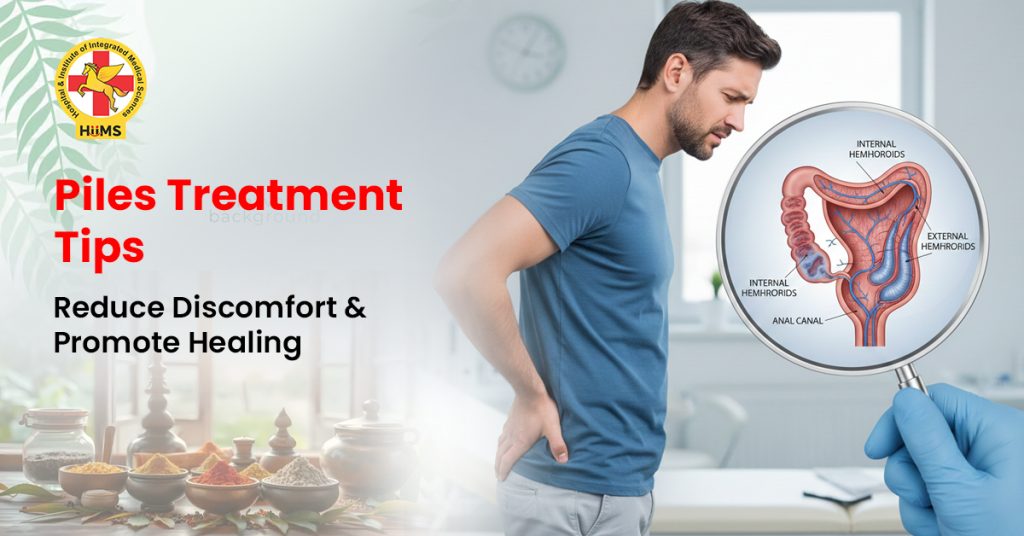
Piles are swollen veins in the lower part of the rectum that react to constant pressure, strain, and disturbed digestion. They don’t begin as a serious condition, but everyday habits like sitting too long or forcing bowel movements slowly create stress in that area, which eventually leads to uncomfortable sensations.
Why Are Young Adults Suddenly Facing This More Often?
Life today looks active from the outside, but the body often stays still for long hours. Work, screens, and irregular schedules quietly affect digestion and circulation. Some reasons are given below:
- Long sitting hours and screen lifestyle: Most people spend hours sitting in office chairs, beds, or even scrolling on the phone while in the washroom. That constant level of pressure builds slowly and affects the veins over time.
- Eating habits that look normal but aren’t: Skipping meals, depending on quick snacks or junk foods, and eating low-fiber food might feel convenient, but they disturb digestion in a way that doesn’t show immediately.
- Constipation becoming a routine thing: Many people don’t drink enough water or delay going to the washroom, which makes stools harder and increases discomfort during bowel movements. This is where how to treat piles becomes a concern later.
- Stress and irregular daily routine: Late nights and unpredictable schedules disturb digestion more than people realise, which gradually leads to imbalance.
- Gym pressure and heavy lifting mistakes: Lifting weights without proper posture increases abdominal pressure, which also contributes to the condition.
All these small habits don’t look serious individually, but together they slowly lead the body in the same direction.
Piles Symptoms People Usually Ignore At First
It usually starts in a way that feels manageable, so people tend to ignore it. The early piles symptoms include slight bleeding after passing stool, a mild burning or itching feeling, and discomfort while sitting for long periods. Sometimes, a small swelling or lump appears, but many choose not to talk about it out of hesitation.
How To Treat Piles Without Surgery
Most people worry about procedures, but in the early stage, piles treatment without surgery is often possible with simple changes and consistency.
Fixing Digestion First
Improving proper fiber intake, drinking enough water, and eating at regular times help soften stools and reduce strain.
Small Daily Habits That Make Big Difference
Try going for short walks, don’t sit for too long, and keep your phone aside during bowel movements so the body doesn’t feel extra pressure.
Simple Relief Methods
Sitting in warm water for a few minutes and not putting extra pressure during bowel movements can bring relief when done regularly. This is where understanding how to treat piles early makes a real difference.
Treatment Approach at Jeena Sikho HiiMS
At Jeena Sikho HiiMS, the approach focuses on finding the real cause instead of just controlling the symptoms. Doctors look at digestion, daily habits, and overall body balance before suggesting what may work best.
Instead of rushing towards procedures, a piles treatment doctor here works on non-surgical methods that support natural healing and long-term comfort.
Supporting Your Recovery With The Right Herbal Help
Along with lifestyle changes, some people also need internal support to restore digestive balance properly. If you are dealing with difficulty in bowel movement, heaviness after meals, gas, bloating, or discomfort during passing stools, Jeena Sikho Pilfree – Best Tablet for Piles can be considered as part of your routine. It includes ingredients like Harad, Neem, and Amla, which are traditionally used to support digestion and gut balance.

This formulation works gently by improving bowel movement, reducing internal heaviness, and supporting overall digestive comfort. Many people prefer such support alongside piles treatment because it focuses on regularity rather than temporary relief. It is always better to take it under proper guidance for steady results.
When Should You Actually Consult A Doctor?
If you notice continuous bleeding, increasing pain, or swelling that doesn’t settle down, it becomes important to consult a piles treatment doctor without delay. Ignoring such signs only makes the condition harder to manage later.
Conclusion
Piles have quietly become a part of modern lifestyle issues, especially among young adults who often overlook early discomfort and continue with the same routine. The good part is that the body gives enough signals before things become serious, and paying attention at the right time makes recovery much easier.
A balanced routine, better digestion, and timely care can reduce the chances of complications. Choosing the right piles treatment approach, along with simple daily corrections, often brings long-term relief.
If you have been noticing repeated discomfort, it may be the right time to act. For taking guidance at Jeena Sikho HiiMS, you can Book a VOPD consultation.

FAQs
Q1. What are the early piles symptoms to notice?
Mild bleeding, itching, and slight discomfort during bowel movements are commonly observed as early signs.
Q2. Is piles treatment without surgery possible?
Early stages often respond well to lifestyle changes and Ayurvedic support without requiring procedures, and in the later stages, Kshar Sutra manages it without surgery.
Q3. How to treat piles at home initially?
Improving diet, hydration, and avoiding strain during bowel movements can help manage early discomfort.
Q4. When should someone visit a piles treatment doctor?
Persistent pain, bleeding, or swelling that does not improve needs healthcare attention.
Q5. Can digestion improvement help in the piles treatment?
Better digestion supports smoother bowel movement and reduces pressure on rectal veins.